Many of you might wonder why Japanese writing system has so many types of characters. They have kanji (Chinese characters) and they 2 types of syllabaries – hiragana and katakana. Why such a complexity?
This is related to the history of the nation. Before the V century AD, the Japanese language didn’t have a written form when the Chinese characters were introduced to Japan via diplomatic and religious missions. At that time being literate in Japan meant being able to read and write in classic Chinese. Later on, 2 systems of expressing Japanese text by means of Chinese characters have developed: kanbun (when Chinese characters were used only to express the meaning of the word, but were read in Japanese) and man’yogana(when Chinese characters were used only for their sound to write down the transcription of Japanese words). Simplified man’yogana turned into 2 syllabaries – hiragana (man’yogana written in cursive style) and katakana(constituent elements of man’yogana).
What Results do We See Now?
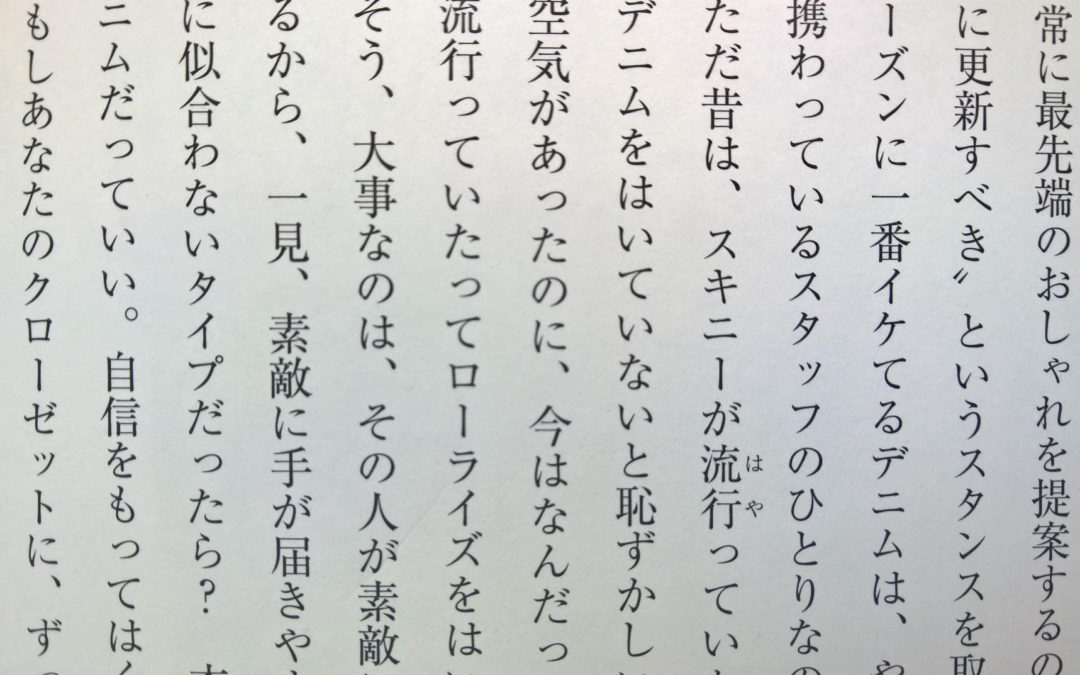
All these stages of writing system development are seen in present day Japanese language. There are Chinese characters kanji that have original Chinese meaning and reading (on-yomi). There are kanji that preserve the original meaning but are read in Japanese (kun-yomi). There is hiragana that is used nowadays to transcript the grammatical parts of the text. And the transliteration of foreign words is made by means of katakana.
There are always ongoing discussions about the necessity of simplification of the Japanese writing system. But none of them has been realized so far. It is not easy to reject the history.